Source Android Car Roof TV for Buses, Taxis, and Coaches
Source 30 android car roof tv units from verified Chinese manufacturers. Buyers can compare specifications like screen size, voltage, and certifications to find suitable options for buses, taxis, and coaches; compare the available evidence and request quotations based on your requirements.
Key considerations
Products List







Comprehensive Sourcing Guide
Android Car Roof TV Sourcing Guide
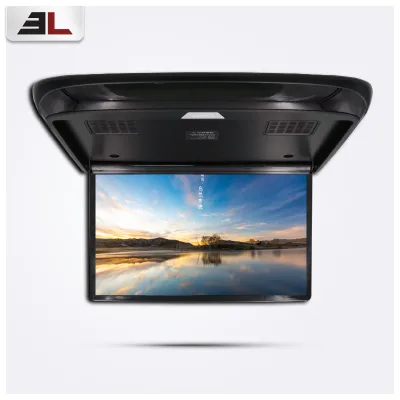
Sourcing Android-based entertainment systems for vehicle roofs requires careful evaluation of mounting configurations, display technologies, and software ecosystems. Buyers must distinguish between standard rear-seat monitors and specialized roof-mounted units designed for buses, coaches, or luxury vans. The core keyword highlights a niche segment where space optimization and visual clarity are paramount. Procurement teams should prioritize suppliers who offer vertical installation options and robust mounting hardware suitable for overhead placement. This ensures stability during transit and minimizes vibration-related wear on internal components.
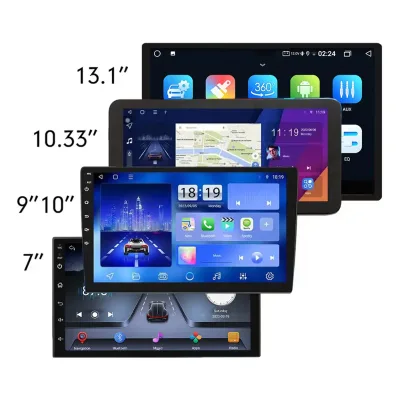
The market offers a variety of form factors, from compact 12-inch panels to larger 15.6-inch displays. Selection depends heavily on the target vehicle’s interior geometry and passenger capacity. Buyers should verify whether the unit integrates seamlessly with existing vehicle electrical systems, particularly regarding voltage compatibility. Many units support 12V or 24V inputs, which is critical for distinguishing between passenger car and commercial bus applications. Understanding these physical and electrical constraints early in the sourcing process prevents costly integration errors and ensures the final product meets operational requirements.
Product Scope and Observed Listing Signals
Current market listings reveal a diverse range of specifications, with screen sizes typically spanning from 12.1 inches to 15.6 inches for standard units, while larger commercial displays extend up to 110 inches for different applications. The observed price range is broad, reflecting variations in screen technology, processing power, and included peripherals. Buyers should note that many listings bundle multiple functions, such as MP3/MP4 playback, Bluetooth connectivity, and GPS capabilities, into a single unit. This convergence simplifies installation but requires careful verification of individual component quality to avoid performance bottlenecks.
Observed minimum order quantities (MOQ) vary significantly, ranging from single units for sampling to bulk orders of 500 pieces for large fleet deployments. Packaging standards also differ, with some suppliers using neutral paper boxes for individual units and others employing heavy-duty wooden cases for larger screens to prevent transit damage. The presence of customization options is a key signal, allowing buyers to tailor interfaces, logos, or pre-installed software to their brand identity. Procurement teams should leverage these signals to negotiate terms that align with their specific volume and branding needs, ensuring a scalable supply chain.
Technical Specifications to Verify
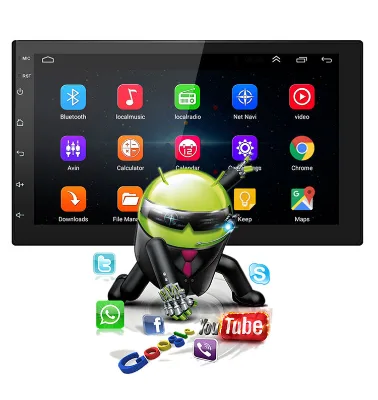
When evaluating technical specifications, buyers must prioritize the operating system and processing capabilities. Android-based units offer extensive app compatibility and user interface customization, which is essential for modern fleet management and passenger entertainment. Verify the RAM and ROM configurations, as these directly impact multitasking performance and storage for media files. Units with 1GB ROM or higher are generally preferred for smoother operation. Additionally, confirm the screen resolution and touch screen technology, such as capacitive or infrared, to ensure responsiveness and durability under varying lighting conditions.
Connectivity options are another critical area for verification. Ensure the unit supports necessary interfaces like USB, SD card, HDMI, and digital optical audio output. For roof-mounted installations, wireless connectivity via Bluetooth and optional FM transmitters can reduce wiring complexity. Buyers should also check the video output standards, such as HDMI, to guarantee compatibility with external displays or recording devices. The inclusion of remote control functionality and built-in speakers can enhance user convenience, but these features should be validated against the specific acoustic and ergonomic requirements of the target vehicle environment.
Compliance and Safety Documentation
Compliance with international standards is non-negotiable for automotive electronics. Buyers must request certificates such as CE, FCC, and RoHS to ensure the product meets electromagnetic interference and environmental safety regulations. For markets like the Middle East, SASO certification may be required. These documents verify that the electrical components do not pose a risk to vehicle systems or passenger health. Procurement teams should audit these certificates for validity and ensure they cover the specific model numbers being ordered, as certifications are often model-specific and not blanket approvals for an entire supplier catalog.
Safety documentation also includes detailed installation manuals and wiring diagrams. For roof-mounted units, proper grounding and secure mounting are critical to prevent accidents during sudden stops or collisions. Buyers should verify that the supplier provides clear instructions for vertical installation and stress testing results for the mounting brackets. Additionally, inquire about warranty terms, which typically range from one to three years, and confirm the availability of free replacement parts. This ensures long-term support and minimizes downtime for fleet operators who rely on these systems for passenger engagement and operational efficiency.
Cost Drivers and Commercial Terms
Several factors influence the final cost of Android car roof TVs, including screen size, resolution, and the complexity of the Android OS version. Larger screens and higher resolutions naturally command higher prices, while units with advanced features like GPS, TV tuners, and premium audio outputs may also carry a premium. Buyers should analyze the cost breakdown to understand where value is added, such as in the touch screen technology or the inclusion of remote controls. Negotiating based on volume can significantly reduce per-unit costs, especially when leveraging the observed MOQ ranges to secure better pricing tiers.
Commercial terms should be clearly defined to avoid hidden costs. Buyers must clarify whether the quoted price includes packaging, shipping, and any necessary adapters or mounting hardware. The observed packing methods, from simple paper boxes to wooden cases, can impact shipping volume and insurance costs. Additionally, confirm the lead times for production and delivery, as these affect inventory planning and project timelines. Establishing clear payment terms and return policies for defective units is essential to mitigate financial risk. A transparent commercial agreement ensures that the total cost of ownership remains predictable and aligned with budget constraints.
Supplier Qualification and Quality Control
Supplier qualification begins with verifying their manufacturing capabilities and quality control processes. Buyers should request evidence of ISO certification and inquire about their production line standards. Factories that produce both consumer electronics and automotive components often have more rigorous testing protocols. It is crucial to assess their ability to handle customization requests, such as logo printing or software pre-loading, without compromising quality. Suppliers with experience in exporting to multiple regions are likely to have more robust compliance and logistics management systems in place.
Quality control measures should include pre-shipment inspections and functional testing of all units. Buyers should specify acceptance criteria for screen defects, touch responsiveness, and audio clarity. Requesting sample units for evaluation is a best practice to verify build quality and software stability before committing to large orders. Additionally, inquire about the supplier’s after-sales support structure, including technical assistance and spare parts availability. A reliable supplier will provide comprehensive documentation and responsive support, ensuring that any issues are resolved quickly to maintain fleet operations and passenger satisfaction.
Long-Term Procurement Checks
Long-term procurement success depends on establishing a sustainable relationship with suppliers who can adapt to evolving technology and market demands. Buyers should regularly review supplier performance metrics, including on-time delivery rates, defect rates, and responsiveness to issues. Continuous monitoring helps identify potential supply chain disruptions early and allows for proactive mitigation strategies. Additionally, stay informed about emerging trends in Android automotive entertainment, such as improved connectivity standards or new screen technologies, to ensure your procurement strategy remains competitive and relevant.
Regular audits of supplier compliance and quality systems are essential to maintain high standards over time. Buyers should verify that certifications remain valid and that the supplier adheres to agreed-upon quality benchmarks. Engaging in open communication with suppliers about future needs and feedback can foster collaboration and innovation. This approach ensures that the sourced products continue to meet the evolving requirements of fleet operators and passengers. By maintaining a disciplined and forward-looking procurement strategy, buyers can secure reliable, high-quality Android car roof TVs that enhance the overall travel experience.
FAQs
What certifications are available for android car roof tv units?
Available certifications include ISO, CE, FCC, RoHS, SASO, and BQB. These ensure compliance with international safety and environmental standards. Buyers can select units with specific certifications based on their regional regulatory requirements. This variety supports global distribution and reduces customs clearance risks for importers.
Can android car roof tv systems support custom branding?
Yes, customization is available for these systems. Buyers can request tailored designs or branding options to match their fleet or retail identity. This service allows for unique product differentiation. Customization options help businesses create a cohesive brand experience for end-users in commercial or private applications.
What screen sizes are offered for android car roof tv displays?
Screen sizes range from 12.1 inches to over 60 inches, including 15.6-inch and 9-inch models. Larger sizes like 55, 65, 75, 85, 100, and 110 inches are also available for AD player applications. This wide range allows buyers to select the optimal display size for specific vehicle types or installation spaces.
What voltage options are supported by these android car roof tv units?
The units support 12V and 24V voltage inputs. This dual-voltage compatibility ensures operation in both standard passenger vehicles and larger commercial trucks. Buyers can confidently deploy these systems across diverse vehicle fleets without needing additional power conversion equipment, simplifying installation and maintenance processes.
Which video output interfaces are included in android car roof tv systems?
Video outputs include HDMI and digital optical output. Some models also support AVI format playback. These interfaces allow seamless connection to external displays or audio systems. Buyers can integrate these units into existing vehicle entertainment setups or create new multi-screen configurations for enhanced passenger experience.
What operating system powers the android car roof tv tablets?
The systems run on the Android operating system. This provides access to a wide range of apps and customization options. Buyers benefit from familiar user interfaces and extensive software compatibility. The Android platform supports features like GPS, Bluetooth, and media playback, enhancing functionality for both entertainment and navigation purposes.